
Food and Beverage
Where compressed air contacts food or packaging, review dryness and filtration against the applicable food-safety requirements.
Food and beverage industry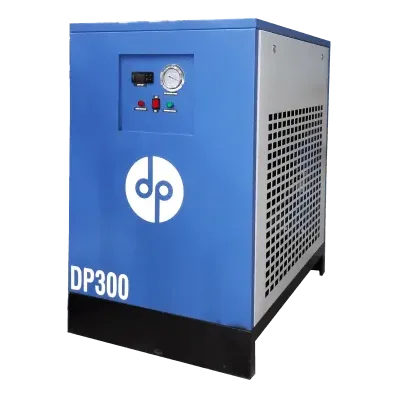
Air leaving a compressor is warm and saturated with water vapour, and it can also carry particles and, from lubricated machines, oil aerosol. Compressed air treatment is the set of dryers, filters and condensate drains that removes these contaminants before the air reaches your pipework, tools and process.
Syndicate Industrial Services supplies compressed air dryers, filters and drains, including Trident Pneumatics and Deep Pneumatics ranges, and helps you match them to your compressor, your flow and the air quality your application needs.
Treatment is best planned together with the compressor and the piping, so that the air arrives at the point of use at the quality the application specifies.
Supplied from Lucknow, Uttar Pradesh.
Discuss Your Air Treatment RequirementWe start from what the air is used for, then work back to the equipment that delivers it at the right quality.
Tools, instruments, packaging and process air each need a different level of dryness and cleanliness, so we start with how the air is used.
We look at compressor type and capacity, operating pressure, flow, and whether the compressor is lubricated or oil-free.
Dryer technology, filtration grades and drains are chosen together so each element suits the others and the required air quality.
Equipment is supplied, and installation support is coordinated where it is part of the agreed scope.
Filter elements and drains need routine attention. We can discuss maintenance support for the equipment we supply.
A treatment system usually combines a dryer, one or more filters and condensate drains. Each one deals with a different contaminant.
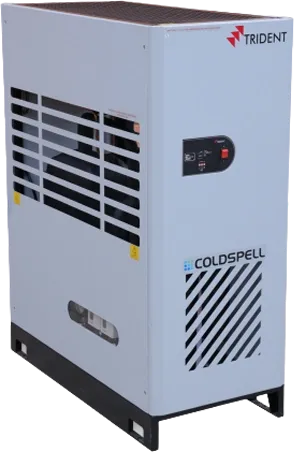
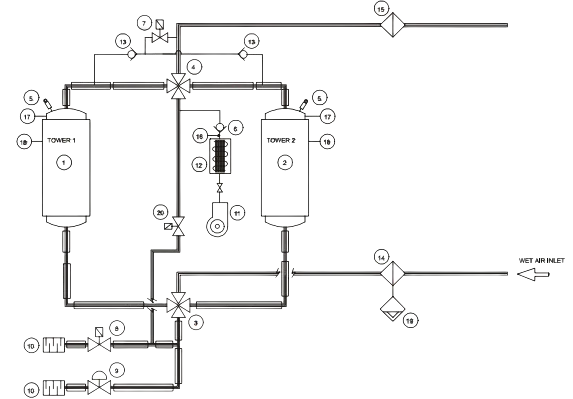
Refrigerated dryers cool the air so that its moisture condenses and is drained away, while desiccant dryers adsorb moisture and are chosen where a lower dew point is needed. The range includes refrigerated dryers, heatless desiccant air dryers and heated desiccant air dryers. See all compressed air dryers.
Explore Air Dryers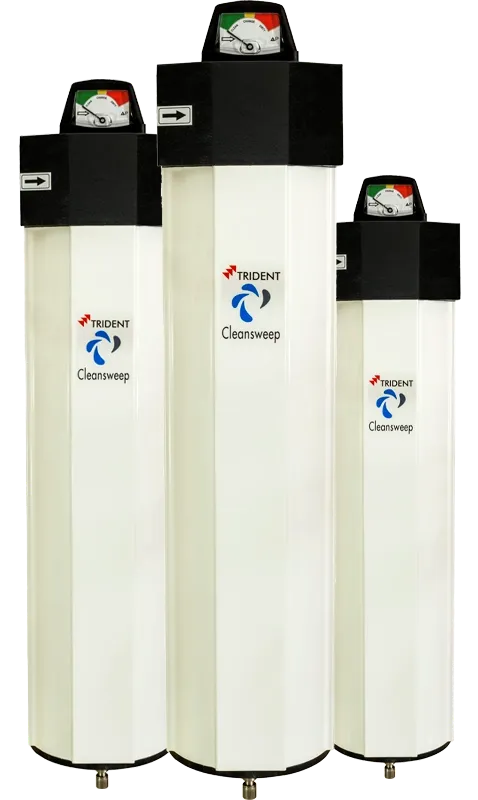
Filters remove oil, water and particles from the air line. The manufacturer describes the Cleansweep micro filters as coalescing and particulate filters, with an activated carbon element for oil vapour and odour. Browse compressed air filters and drains.
Explore Filters and Drains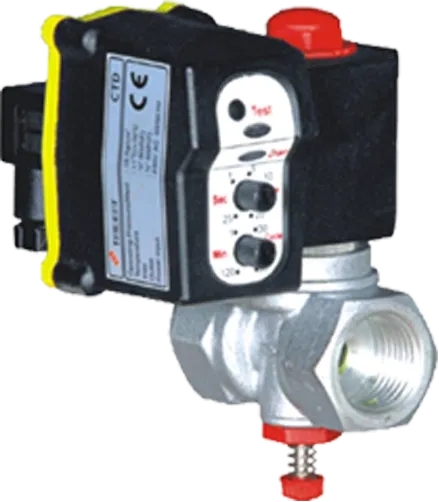
Water collects in receivers, filters, dryers and low points in the pipework, and it has to be drained out automatically. The range includes the Series CTD and Series LDV condensate drain valves and the EDV-X timer drain valve for sludge and rust-laden condensate.
View Drain ValvesThe usual order is compressor, air receiver, filtration, dryer and, where needed, a further filter, with drains at the low points. Where air has to meet a defined breathing-air quality, Trident also lists the TBAS breathing air system. Treatment is one part of a complete compressed air system.
Discuss Your SystemISO 8573-1 defines purity classes for particles, water and oil. The application, not the compressor, decides which class is needed.
A refrigerated dryer is generally enough for ordinary plant air. Lines in cold or outdoor locations, or processes that need very dry air, call for a lower dew point.
Dryers and filters are rated for a flow at a given pressure. Size them for the real demand and the working pressure, not just the compressor label.
A lubricated compressor carries oil aerosol into the air stream, which affects filter choice. An oil-free compressor still needs drying and particle filtration.
Every dryer and filter adds some pressure drop, and it rises as elements load. Plan for it and replace elements on schedule.
Filter elements, desiccant and drains all need routine servicing. Leave room and isolation valves to make that practical.
Dry, filtered air helps keep moisture and contaminants out of pneumatic tools, valves and instruments.
Removing moisture before it condenses helps limit rust and scale in the distribution network.
Where air contacts a product or its packaging, treatment helps keep water and oil within the level the process allows.
Working drains stop condensate from being carried onwards into the system.
Selecting the quality class the process needs avoids both under-treating and over-specifying.
Known service points on filters, drains and dryers make routine maintenance easier to schedule.
Outcomes depend on the application, the compressor and how the equipment is installed and serviced.
Every plant needs dry, clean air, but the quality class differs by industry. These are general application areas.
Where compressed air contacts food or packaging, review dryness and filtration against the applicable food-safety requirements.
Food and beverage industryAir quality limits are application-specific. Trident also lists a breathing air system (TBAS) and medical vacuum filters.
Pharmaceutical industryMoisture and oil carry-over shorten the life of pneumatic tools and machinery on general production floors.
Engineering industryPneumatic tools, assembly equipment and production machinery are sensitive to wet or oily air.
Automobile industryPneumatic actuators and packaging machinery depend on clean, dry air, and contact applications need a closer review.
Packaging industryInstrument and process air generally needs to be dry to keep controls and valves working reliably.
Chemical industrySyndicate Industrial Services is based in Lucknow, Uttar Pradesh, and supplies compressed air dryers, filters and drains for industrial plants.
Send us your compressor capacity, working pressure and the air quality you need, and we will suggest suitable treatment equipment.
For locations outside Lucknow, availability and support are confirmed by location and project scope.
The three treatment stages are available from one supplier, so they can be matched rather than bought separately.
Treatment is discussed alongside the compressor and piping it has to work with.
Recommendations follow the air quality class and flow your process needs.
Product pages carry the manufacturers' published specifications, kept as published.
Share the basics and we come back with suitable options and the next step.
It is the set of equipment that removes water, particles and oil from compressed air: dryers, filters and condensate drains. The aim is air that suits the equipment and process it feeds.
A refrigerated dryer cools the air so moisture condenses and is drained away. A desiccant dryer adsorbs moisture and reaches a much lower dew point; the Deep Pneumatics heatless dryer, for example, is listed for -40 °C or -70 °C dew point. See compressed air dryers.
ISO 8573-1 sets classes for particles, water and oil. The class is decided by what the air is used for, so start from the application and any requirement your customer or process specifies.
Usually yes. A dryer removes moisture, but it does not remove particles or oil aerosol, so filters are normally used with it. Where they sit depends on the dryer type.
They discharge the water that collects in receivers, filters, dryers and low points in the pipework. A drain that sticks or blocks lets water travel into the system, so drains need regular checking.
Yes. Share the compressor capacity, working pressure and the air quality required, and we can suggest suitable dryers, filters and drains.
Yes. We are based in Lucknow and supply compressed air dryers, filters and drains. Availability and support elsewhere is confirmed by location and scope.
Tell us about your compressor, working pressure and air quality needs, and we will suggest suitable dryers, filters and drains.