
Pneumatic Directional Control Valves Supplier, Dealer & Distributor
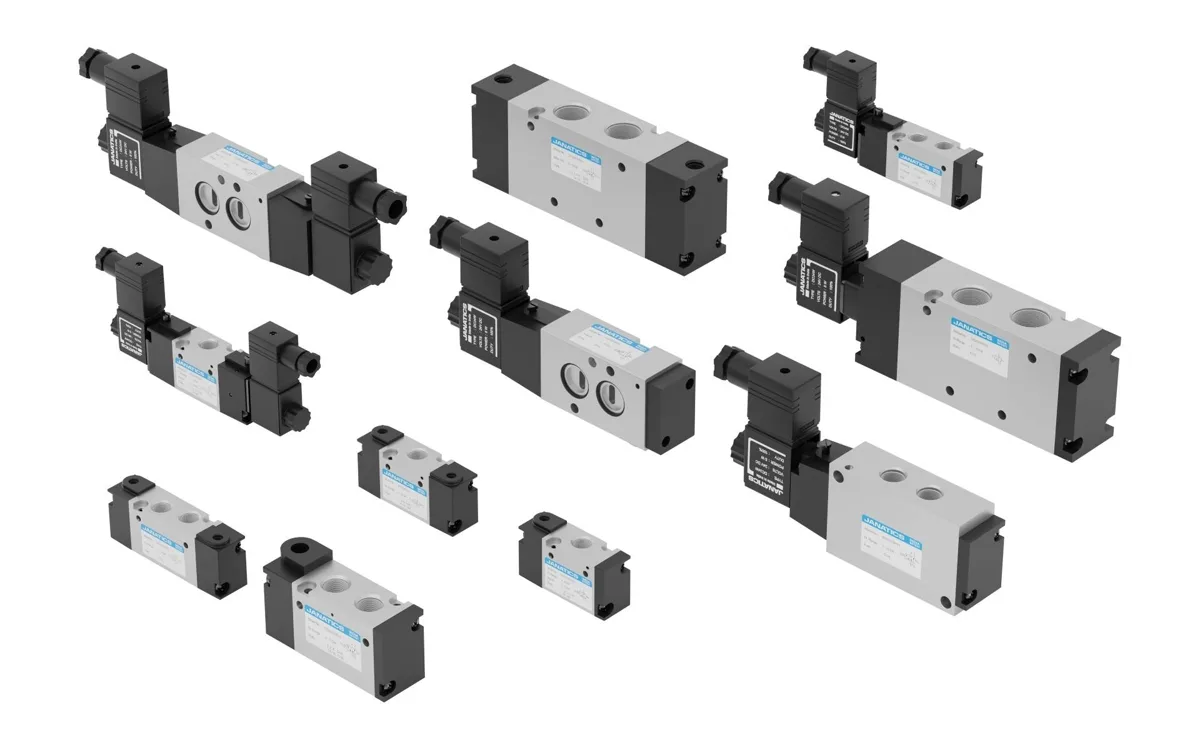
Syndicate Industrial Services supplies solenoid, manual, mechanical and pilot operated directional control valves, with manifolds, connectors and accessories, to industrial plants, machine builders and OEMs in Lucknow, Kanpur, Gorakhpur and other serviceable industrial locations across Uttar Pradesh. These valves direct compressed air to the cylinders and decide when and in which direction they move. We help you choose from the function, flow, operation and voltage your circuit needs.
- 14 product groups
- Janatics manufacturer
- Since 2001 in Lucknow
- 4 locations Lucknow, Kanpur, Gorakhpur, Varanasi
Industrial Directional Control Valves Range
The Janatics directional control valves range in 14 product groups. Select a group to see its models and specifications, or request a quotation and we will suggest what suits your machine.
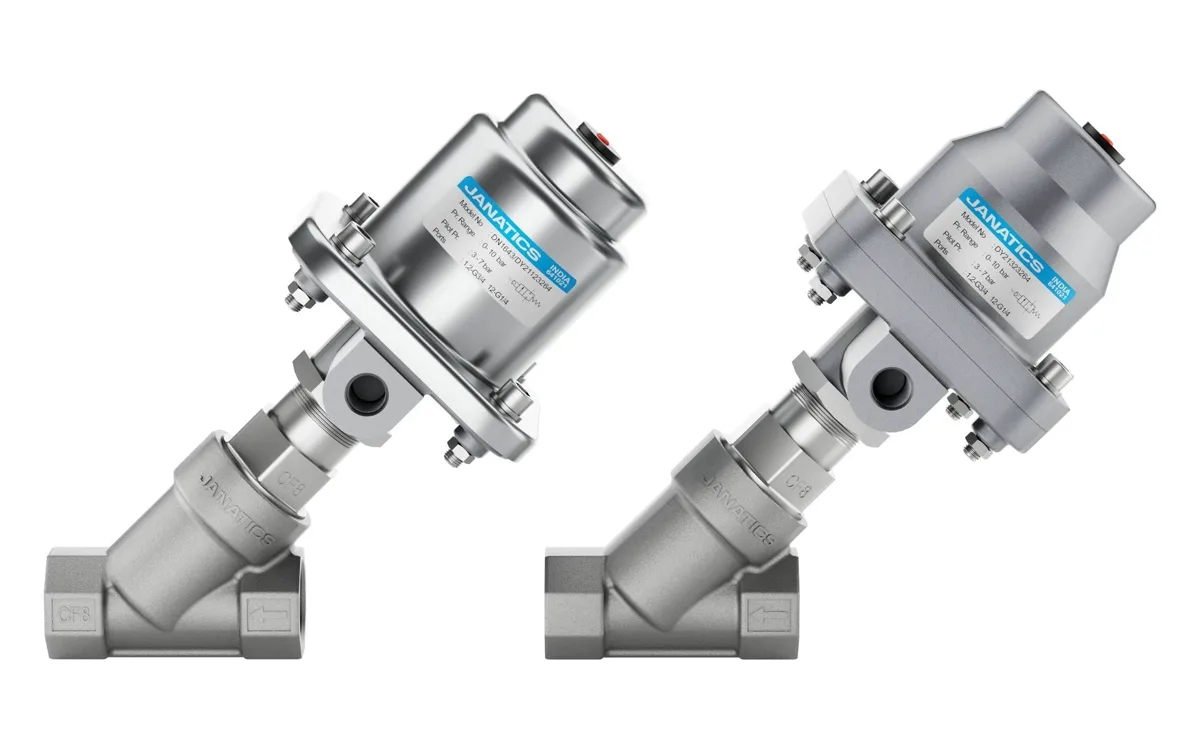
Angle Seat Valve
Poppet type 2/2 normally closed, air pilot operated valve for air, water, hot water, steam and inert gases.
View details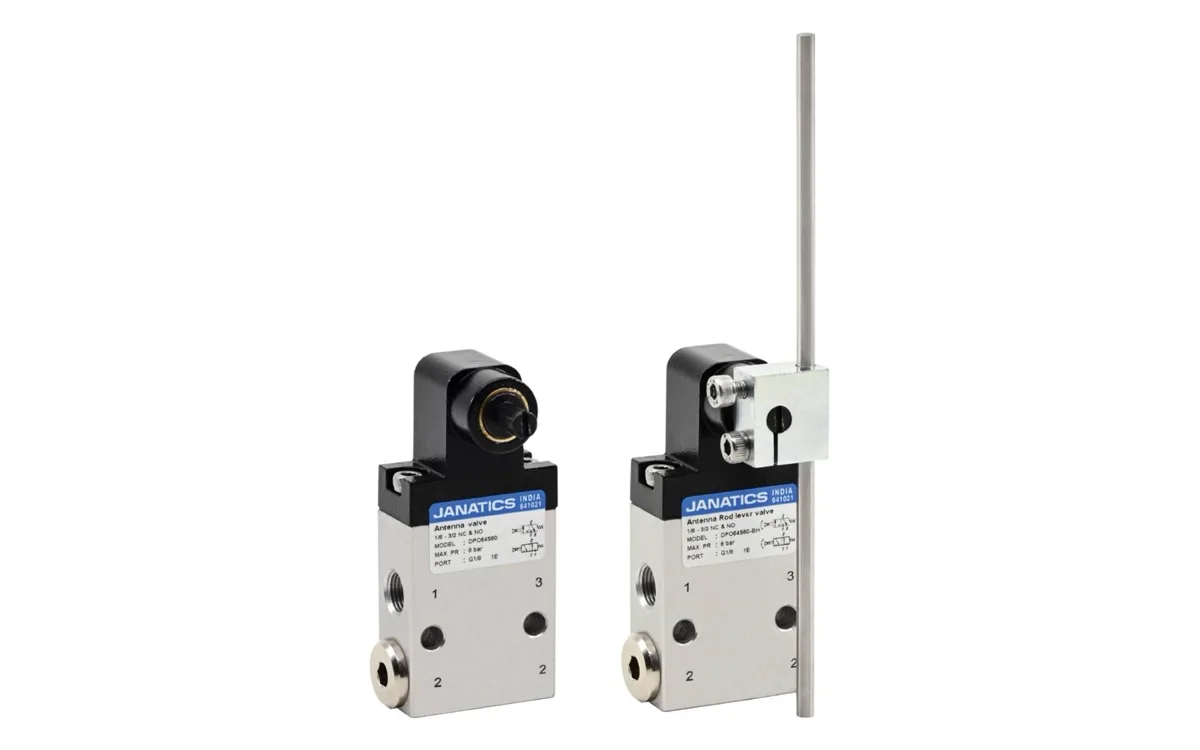
Antenna Valve
Poppet type valves used as signal valves, giving a pneumatic signal to the controller.
View detailsCompact Valves
Pilot operated, spool type directional control valves.
View details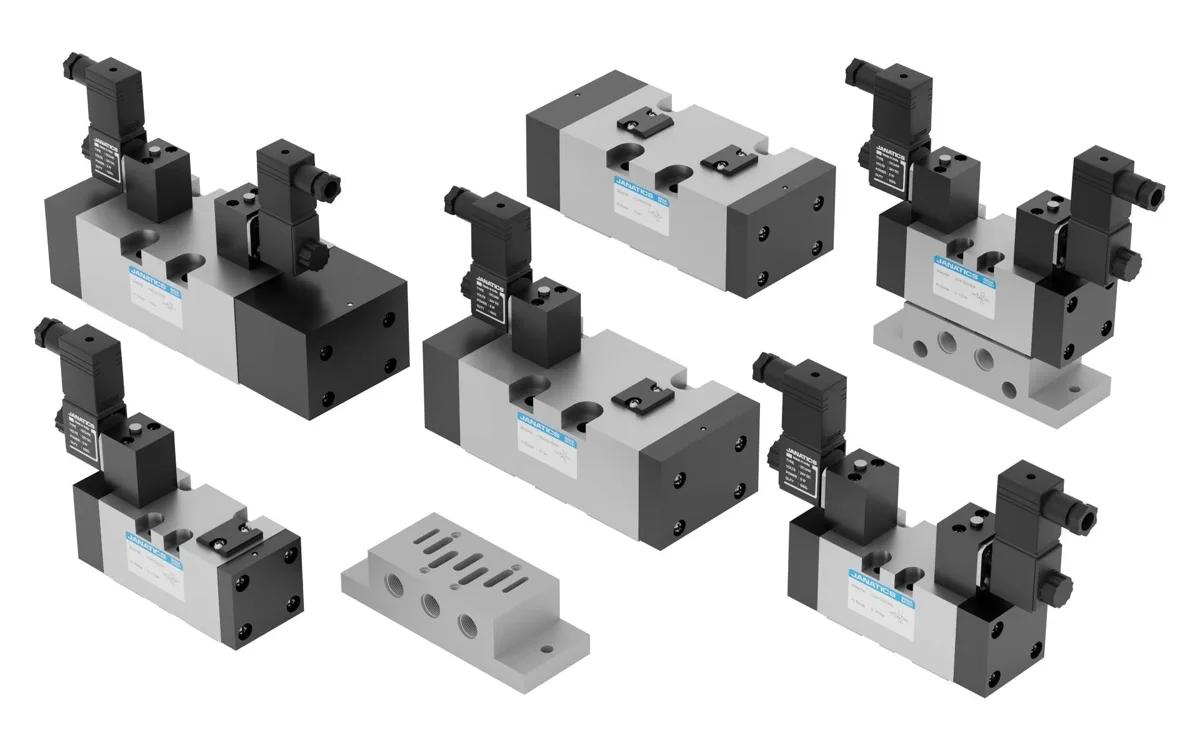
ISO Sub Base Valve
DS4 series ISO sub-base directional control valves.
View details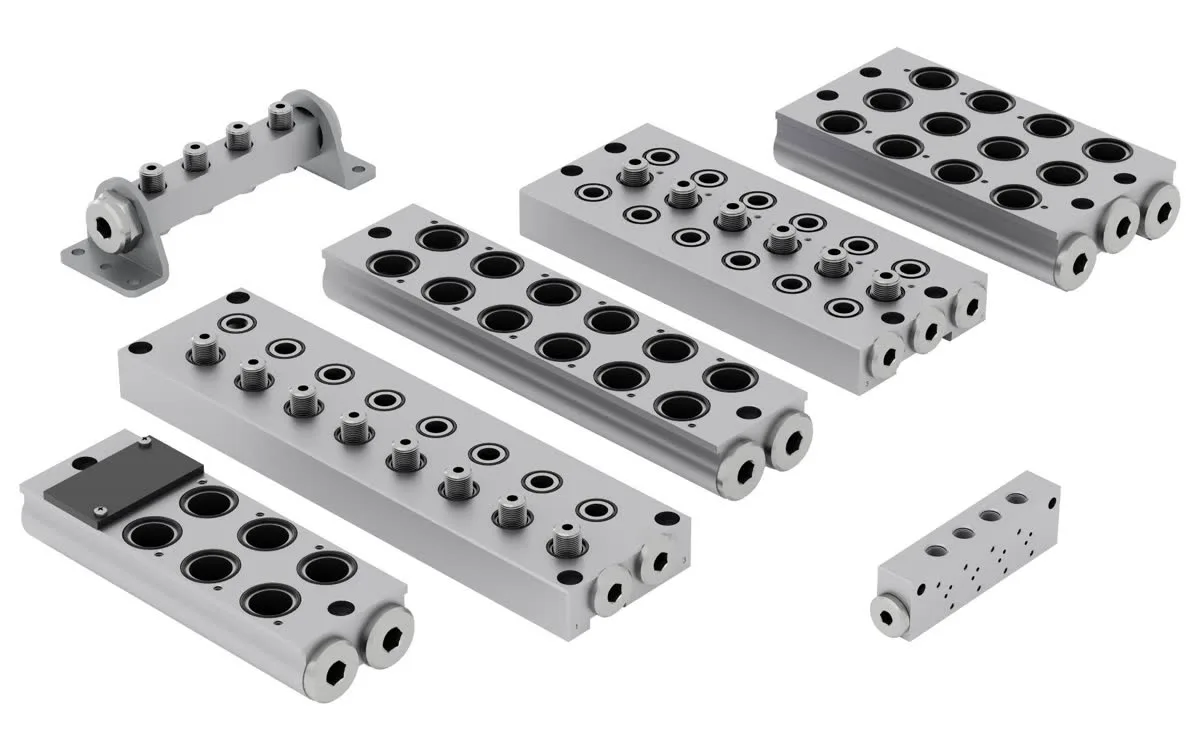
Manifolds
Manifolds and sub-bases for mounting individual or multiple valves.
View details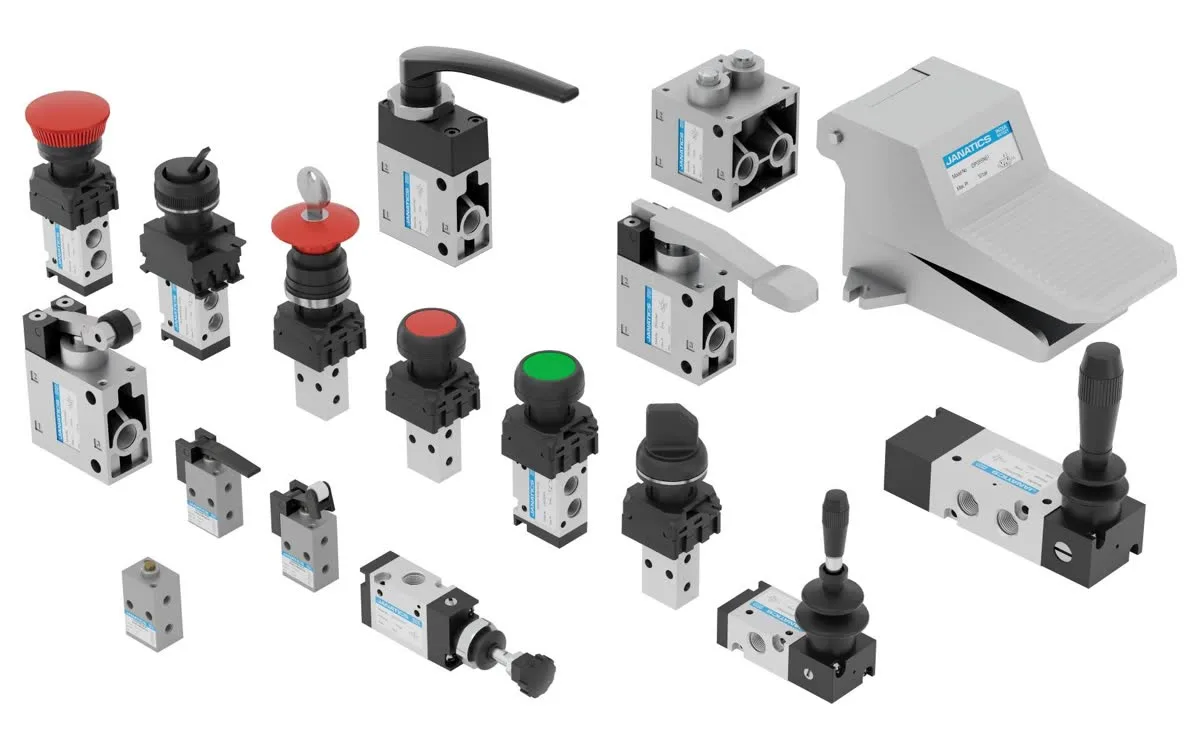
Manual and Mechanical Valves
Manually and mechanically operated directional control valves.
View details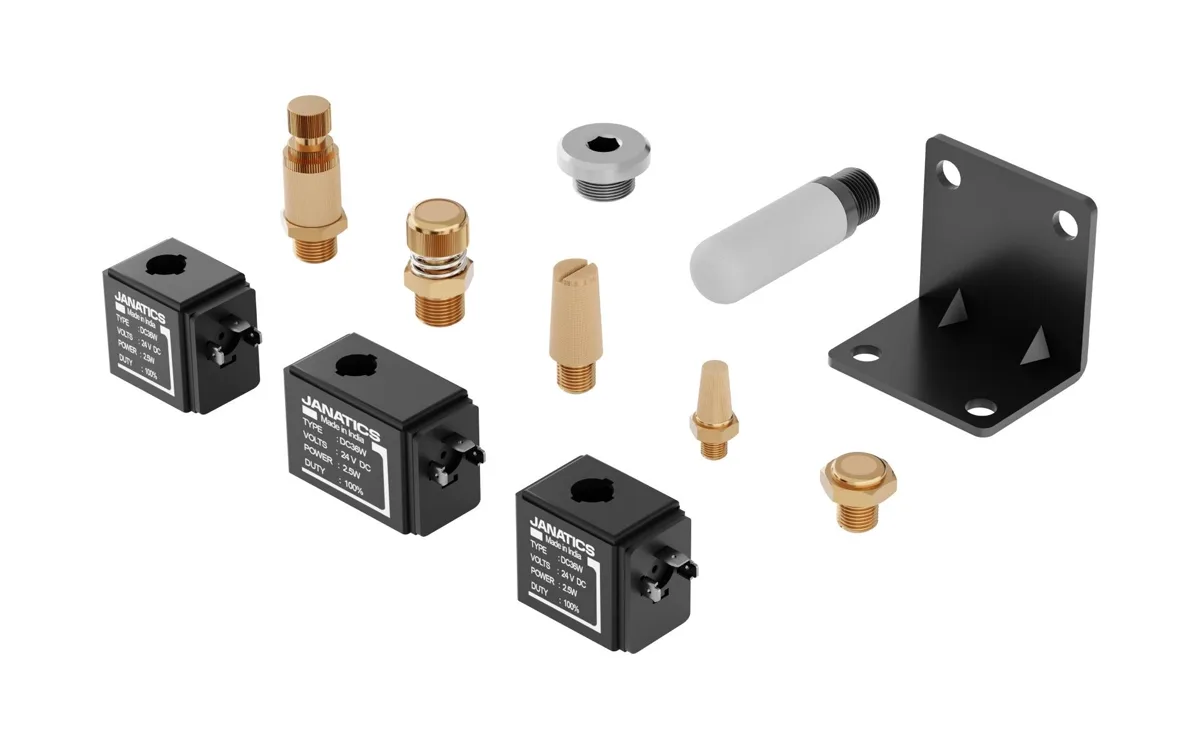
Mountings and Accessories
Silencers (AS series) and other accessories for directional control valves; silencers reduce exhaust noise.
View details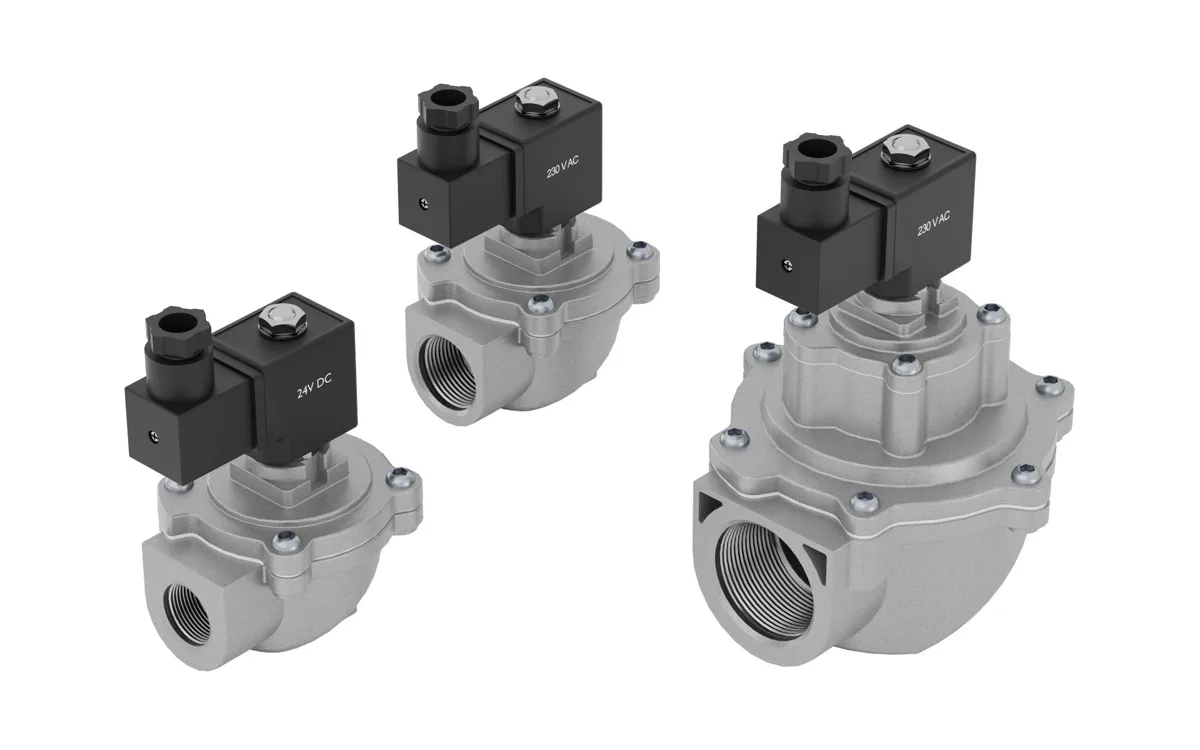
Pulse Valve
2/2 normally closed diaphragm operated solenoid valves for dust collectors, releasing short, high-velocity bursts of air.
View details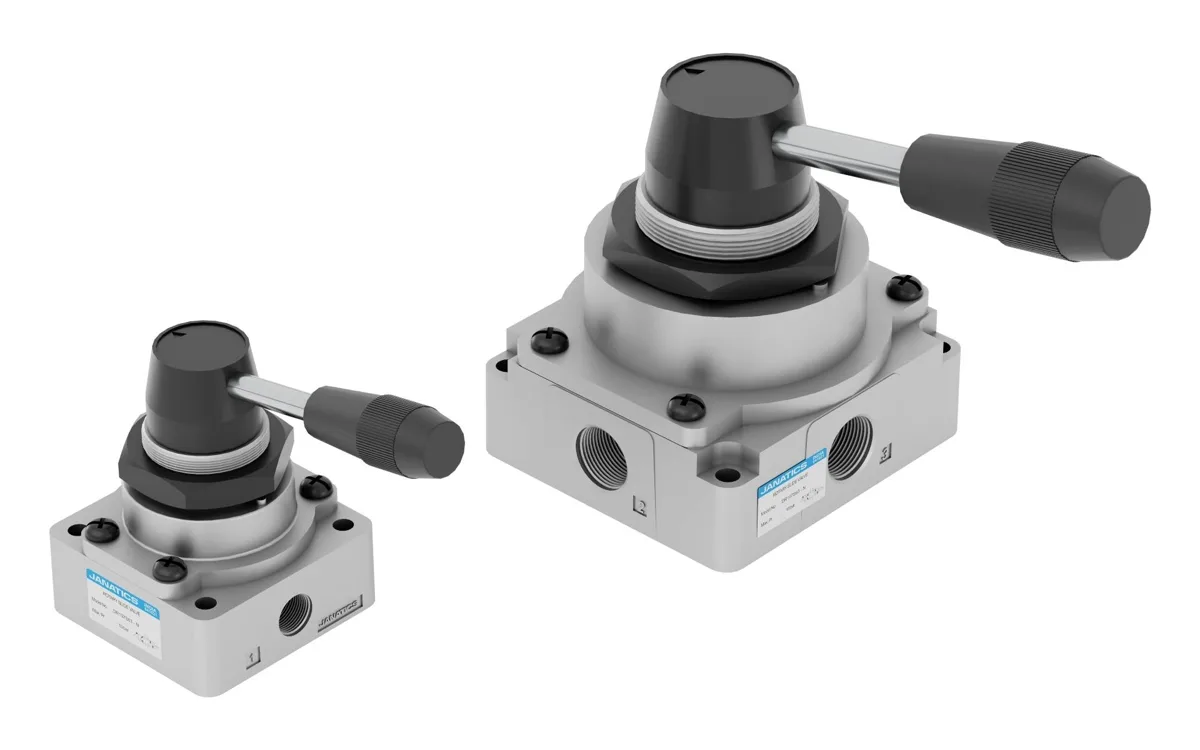
Rotary Slide Valve
Rotary-actuated valve with four ports arranged radially.
View details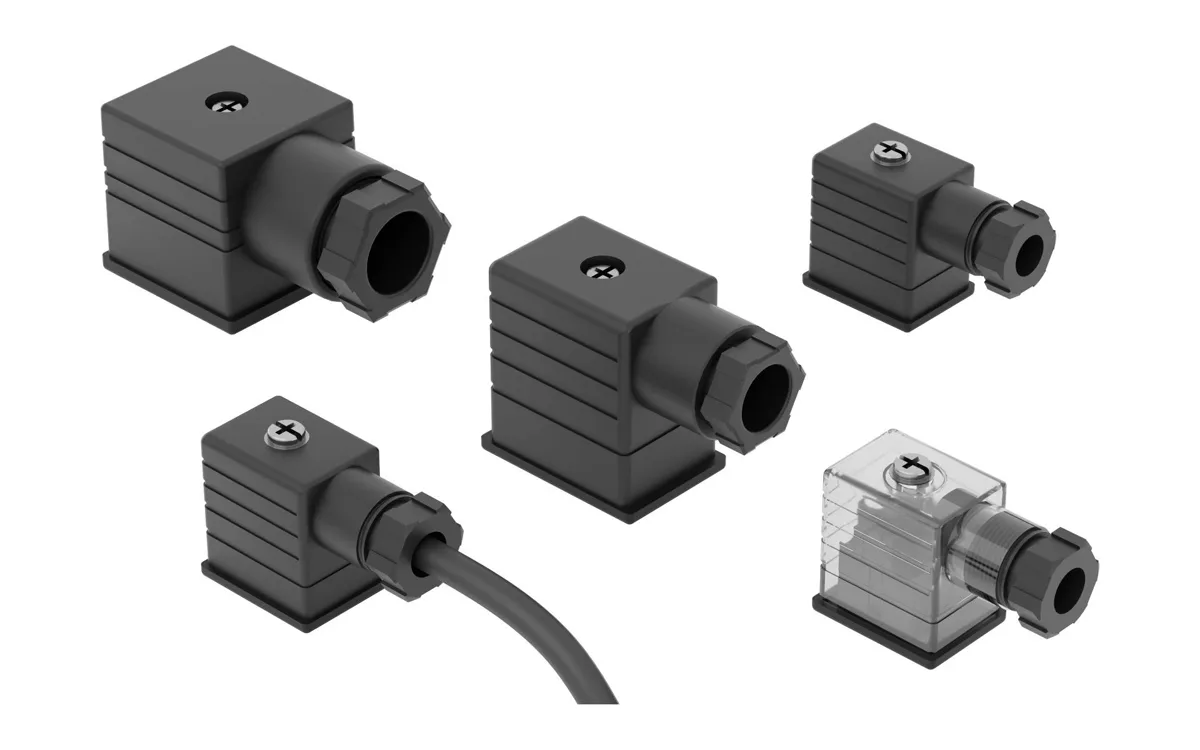
Solenoid Connectors
Electrical plug or socket connectors for the coils of solenoid valves.
View details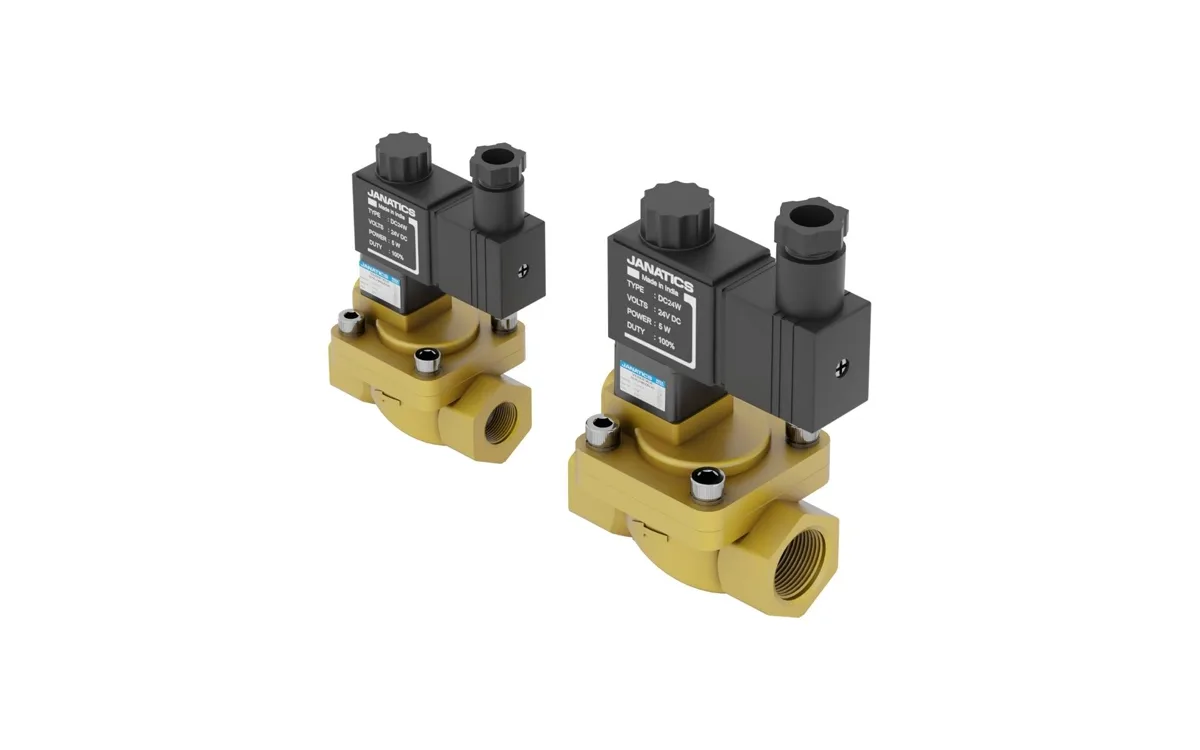
Solenoid Valve DMN and DMH Series
Solenoid operated DMN and DMH series valves, including diaphragm operated types.
View details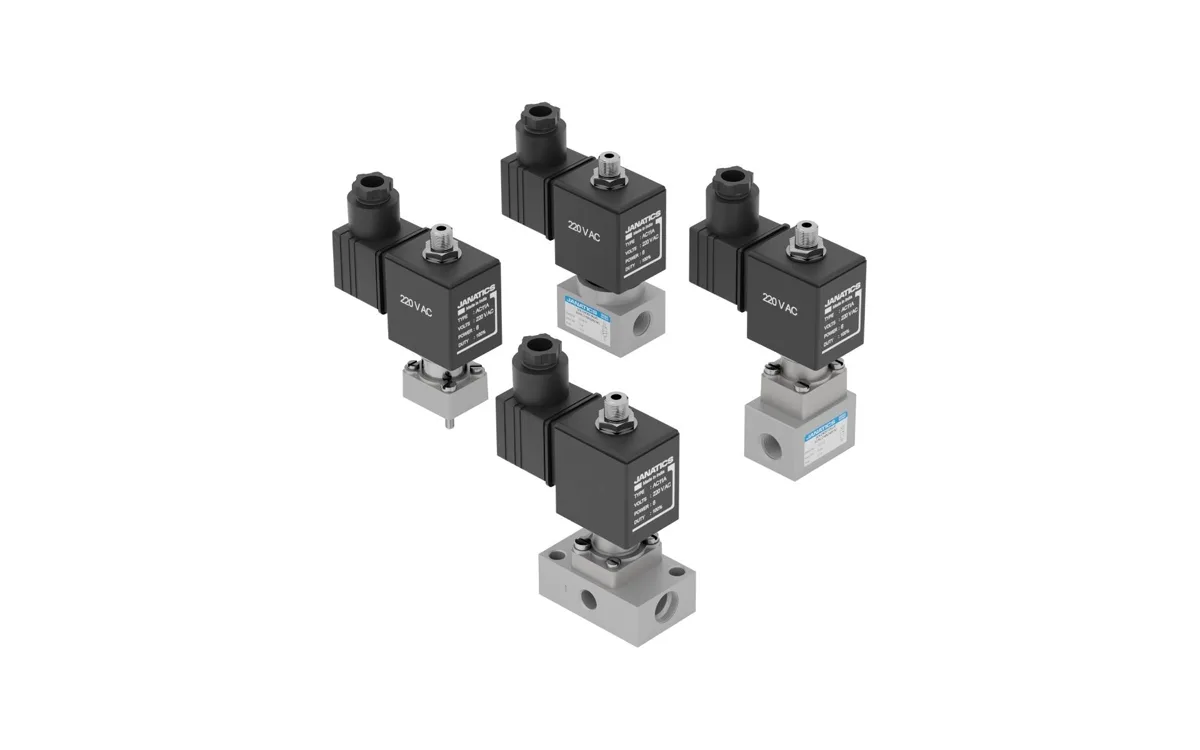
Solenoid Valve E Series
Direct acting poppet solenoid valves in 2/2 and 3/2 types, ported or manifold mountable, series E1, E2, E4 and E5.
View details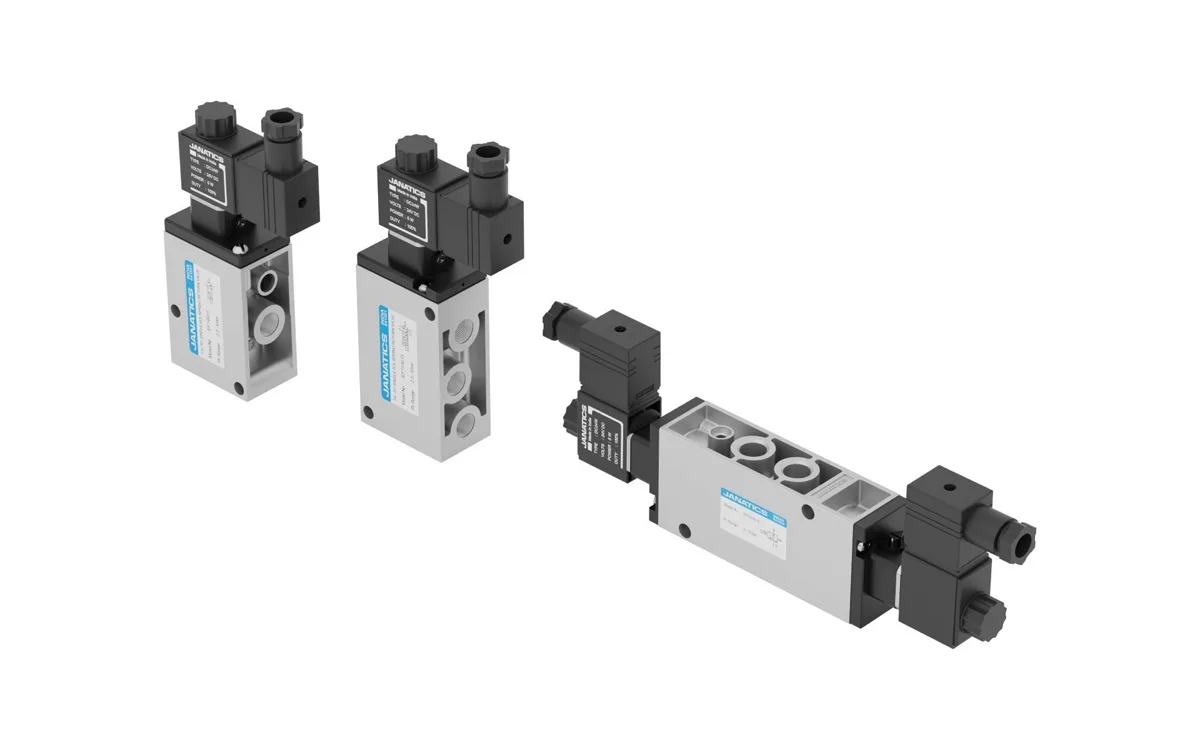
Solenoid Valve EF Series
EF series solenoid pilot operated poppet valves.
View details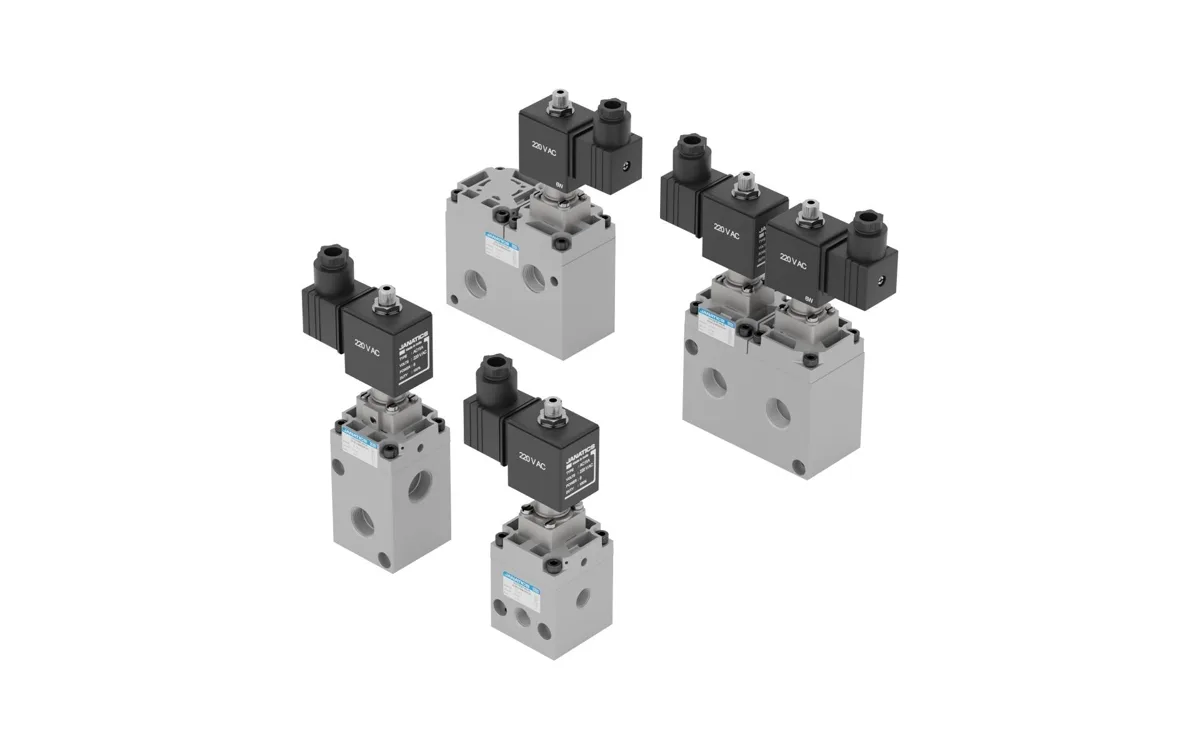
Solenoid Valve EL and DP1 Series
EL1 and EL2 diaphragm operated poppet type solenoid valves, and DP1 series.
View detailsWhat Is a Directional Control Valve and Why Is It Important?
A directional control valve starts, stops and reverses the flow of compressed air, so it decides when a cylinder moves and in which direction. It is described by its ports and positions: a 3/2 valve has three ports and two positions, a 5/2 valve five ports and two positions, and a 5/3 valve adds a centre position.
The valve is the link between the control system and the cylinder. A solenoid valve turns an electrical signal into air flow, a manual or mechanical valve is operated by hand, lever or cam, and a pilot operated valve uses a small air signal to move a larger spool. Choosing the right function, flow size and operation decides how fast the cylinder moves and how the circuit behaves when power or air is lost.
Types of Directional Control Valves
- Solenoid valves: the E series (direct acting poppet valves in 2/2 and 3/2 types, ported or manifold mountable), the EF series (solenoid pilot operated), the EL and DP1 series (diaphragm operated poppet) and the DMN and DMH series.
- Compact valves are pilot operated spool type valves, and ISO sub-base valves (DS4 series) mount on standard ISO sub-bases.
- Manual and mechanical valves are operated by hand, lever or cam where no electrical signal is used.
- Angle seat valves are poppet type, 2/2 normally closed, air pilot operated, for air, water, hot water, steam and inert gases.
- Pulse valves are 2/2 normally closed diaphragm operated valves for dust collector systems, releasing short bursts of air.
- Antenna and rotary slide valves give pneumatic signals or rotary-actuated switching.
- Manifolds, solenoid connectors and mountings (including silencers) complete the valve installation.
How Does a Directional Control Valve Work?
A moving part inside the valve, a spool or a poppet, opens some paths for the air and closes others. In a direct acting solenoid valve, the coil's magnetic field moves the poppet itself. In a pilot operated valve, the solenoid opens a small passage that lets air pressure move the main spool, which allows bigger flow for the same coil. A spring returns the valve when the signal goes, in a spring-return valve.
Janatics solenoid valves use coils in 32, 22 and 17 mm widths, with recommended standard voltages of 24, 48, 110 and 220 V AC and 12, 24, 48 and 110 V DC. A manual operator lets the valve be tested without a signal.
How to Choose the Right Directional Control Valves for Your Application?
Start from what the machine has to do, then match size, function and air supply. These are the factors we ask about before recommending a model:
| Factor | What to establish |
|---|---|
| Valve function | 3/2 for single-acting cylinders, 5/2 for double-acting cylinders, and 5/3 where a centre position is needed. 2/2 valves simply open or close a line. |
| Operation | Solenoid for electrical control, manual or mechanical where no electricity is available, and air pilot for remote or hazardous signals. |
| Flow and port size | The valve must pass enough air for the cylinder speed required; port size and flow are listed on each product page. |
| Coil voltage | AC 24, 48, 110 or 220 V or DC 12, 24, 48 or 110 V, to match the control panel. |
| Mounting | Ported valves for line mounting, manifold mounting for banks of valves, and ISO sub-bases for standard interchangeability. |
| Return type | Spring return for a safe default position, or double solenoid where the valve should hold position when the signal is lost. |
| Medium and temperature | Air, and for angle seat valves also water, hot water, steam and inert gases; check the published ratings. |
| Working pressure | Janatics components are rated for 0 to 10 bar; check each valve's minimum pilot pressure if it is pilot operated. |
The models, sizes and ratings are on the page of each product group above. Pneumatic components perform best on clean, dry air, so see our compressed air dryers and filters and drains.
Where Are Directional Control Valves Used?
Janatics does not publish a list of industries for these products. The uses below are the ones its product pages state, or follow directly from what each product does. If you have a specific application, tell us and we will confirm suitability before you order.
Industrial dust collector systems
Janatics designs the pulse valve to release short bursts of compressed air in them.
Semi-automated assembly and production
Janatics gives simple clamping and locking operations as an example use of the antenna signal valve.
High flow requirements
Janatics says the ISO sub base valves are used for them.
Air, water, hot water, steam and inert gases
DMN, DMH and angle seat valves are recommended for these media.
Groups of valves
Manifolds mount several valves together with less piping.
Hand, foot and mechanical operation
Manual and mechanical valves switch by lever, push button or pedal.
Pneumatic Components, Compressed Air and Technical Support
Pneumatic components perform only as well as the compressed air that reaches them. A rotary screw or reciprocating air compressor makes the air, compressed air piping carries it, and the Janatics components use it. The same team supplies both ends of the line, so the air quality and the component ratings are matched. Our team sizes components to your requirement as part of compressed air solutions, and supports them with scheduled servicing and spare parts under AMC services. See also industrial automation.
Directional Control Valves Supplier Across Uttar Pradesh
Syndicate Industrial Services works as a supplier of directional control valves from its head office in Lucknow, and through its branches in Kanpur and Gorakhpur, with a further branch in Varanasi. Beyond these cities we supply pneumatic components to plants across Uttar Pradesh, as our project record and project map show. Service availability depends on operational coverage and project requirements, so send us your location and we will confirm how we can support it.
Why Choose Syndicate Industrial Services for Directional Control Valves?
- In business since 2001. Syndicate Industrial Services began operations in Lucknow in 2001 and serves industrial customers across Uttar Pradesh.
- Janatics range. We supply the Janatics range, including these 14 directional control valves product groups.
- Components and compressed air from one supplier. Compressors, dryers, filters, piping and pneumatic components from Deep Pneumatics, Trident, Quickair and Janatics.
- Selection based on your numbers. We size components to your load, stroke, speed, flow and pressure before recommending a model.
- Branch network. Operations and customer support run through Lucknow (head office), Kanpur, Gorakhpur and Varanasi.
Frequently Asked Questions About Directional Control Valves
01What is a directional control valve?
A directional control valve starts, stops and reverses the flow of compressed air, deciding when and in which direction a cylinder moves. It is described by its ports and positions, such as 3/2 or 5/2, and by how it is operated, such as by solenoid, hand or air pilot.
02What does 5/2 or 3/2 mean on a valve?
The first number is the number of ports, and the second is the number of positions. A 3/2 valve has three ports and two positions, and controls a single-acting cylinder. A 5/2 valve has five ports and two positions, and controls a double-acting cylinder. A 5/3 valve adds a centre position.
03How does a solenoid valve work?
An electrical coil creates a magnetic field that moves a poppet or spool, opening and closing air paths. In a direct acting valve the coil moves the poppet itself. In a pilot operated valve the coil opens a small passage so air pressure moves the main spool, which handles larger flow.
04What is the difference between direct acting and pilot operated valves?
A direct acting valve is moved by the solenoid alone and works from zero pressure, but handles smaller flow. A pilot operated valve uses air pressure from a small pilot passage to move the main spool, so a small coil controls a large flow, but it needs a minimum pilot pressure.
05What coil voltages are available?
Janatics lists recommended standard coil voltages of 24, 48, 110 and 220 V AC and 12, 24, 48 and 110 V DC, with coils in 32, 22 and 17 mm widths. Choose the voltage that matches the control panel supply.
06What is a manifold used for?
A manifold, or sub-base, mounts individual valves or several valves together on one base with common air supply and exhaust. This reduces tubing and fittings, and makes it easier to replace a valve. Janatics lists manifolds for several of its valve series.
07What are pulse valves used for?
Pulse valves are 2/2 normally closed diaphragm operated solenoid valves designed for industrial dust collector systems. They release short, high-velocity bursts of compressed air to clean the collector's filters, and open and close very quickly.
08Where can I find a directional control valve supplier in Uttar Pradesh?
Syndicate Industrial Services supplies Janatics directional control valves from its head office in Lucknow, with branches in Kanpur, Gorakhpur and Varanasi. Use the enquiry form on this page or call +91 93350 37579 to confirm availability for your location.
Looking for Industrial Directional Control Valves?
Tell us about your machine: the load, stroke and cycle time, the working pressure and the control voltage. We will review it and recommend suitable components with a quotation.